Finding the perfect moisturizer is key to healthy skin, and knowing how to choose the right moisturizer for your skin type is the first step. The ideal formula depends entirely on your skin’s needs: lightweight gel moisturizers are best suited for oily skin to avoid excess shine, while richer cream-based options provide the hydration dry skin craves. Those with combination skin often benefit from a targeted approach, using a gel for the oilier T-zone and a cream for drier areas like the cheeks. This guide will explore these considerations and more to help you find your perfect match.
You may also refer to 瀏海很容易出油怎麼辦?專業髮型師教你高效清爽瀏海秘訣!
- Choosing Moisturizer: Skin Type Guide
- Moisturizer Choice: Skin Type Matters
- Find Your Perfect Moisturizer
- Right Moisturizer: Your Skin Type
- How to choose the right moisturizer for your skin type Conclusion
- How to choose the right moisturizer for your skin type Quick FAQ
Choosing Moisturizer: Skin Type Guide
Understanding your skin type is the cornerstone of choosing the right moisturizer. This is crucial because different skin types have different needs. A moisturizer that works wonders for dry skin might feel heavy and clog pores for someone with oily skin. Therefore, selecting a moisturizer requires careful consideration of your unique skin characteristics. Ignoring this crucial step can lead to skin imbalances, exacerbating existing problems rather than solving them. Let’s delve into how to identify your skin type to guide your moisturizer choice.
To help you navigate this process, here’s a simple guide:
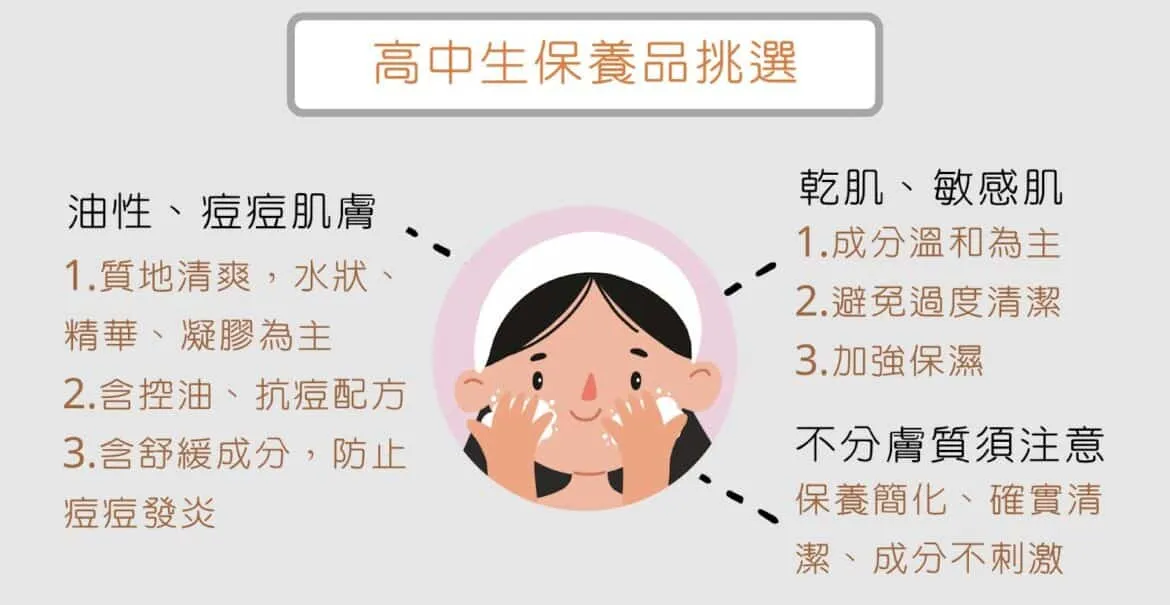
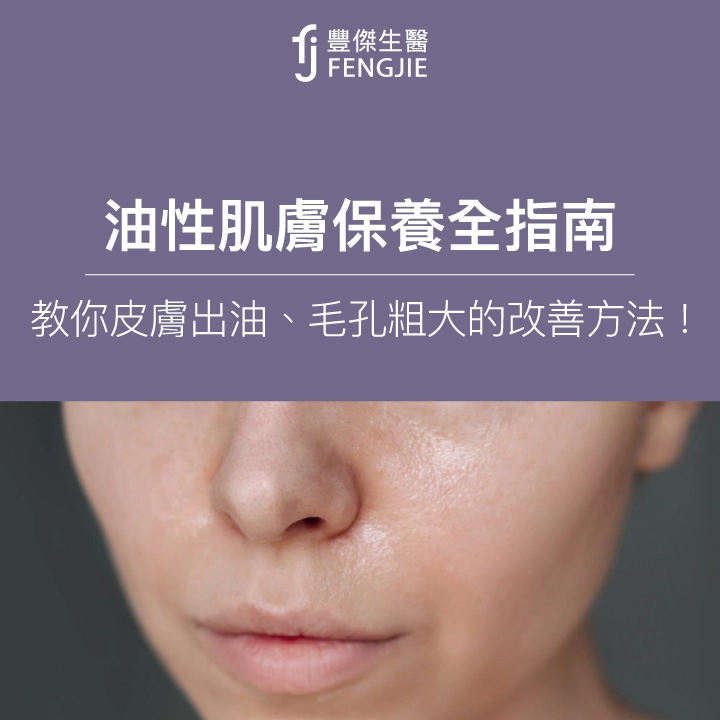
- Oily Skin: Characterized by a shiny appearance, enlarged pores, and a tendency towards breakouts. For oily skin, look for lightweight gel moisturizers that are non-comedogenic (won’t clog pores) and oil-free. These formulas provide hydration without adding excess oil, helping to maintain a balanced complexion.
- Dry Skin: Presents as tight, flaky, or rough skin. Individuals with dry skin need a rich, cream-based moisturizer to provide ample hydration and prevent dryness. Look for ingredients like hyaluronic acid or ceramides, known for their hydrating properties.
- Combination Skin: A combination of oily and dry areas, typically with an oilier T-zone (forehead, nose, and chin) and drier cheeks. This skin type often requires a dual approach. Use a lightweight gel moisturizer for the T-zone and a creamier formula for the drier areas. This targeted approach addresses each area’s specific needs.
- Sensitive Skin: Prone to irritation and redness, often reacting to fragrances or certain ingredients. Choose a hypoallergenic, fragrance-free moisturizer formulated for sensitive skin. Look for products with soothing ingredients like chamomile or aloe vera.
Remember, paying close attention to your skin’s unique needs when choosing a moisturizer is key to achieving and maintaining healthy, radiant skin. Knowing your skin type empowers you to make informed choices and avoid potential skin problems.
Moisturizer Choice: Skin Type Matters
Choosing the right moisturizer is crucial for healthy skin, and understanding your skin type is the first step. Moisturizer Choice: Skin Type Matters because different skin types have unique needs. Ignoring this fundamental aspect can lead to imbalances and skin problems. Let’s delve into the specifics:
- Oily Skin: Individuals with oily skin often struggle with excess sebum production, leading to a shiny complexion and potential breakouts. For this skin type, a lightweight gel moisturizer is the ideal choice. These formulas are easily absorbed, providing hydration without adding extra weight or clogging pores. Look for oil-free and non-comedogenic options. Remember, even oily skin needs hydration!
- Dry Skin: Dry skin lacks sufficient sebum, leading to feelings of tightness, flakiness, and sometimes even itching. Cream-based moisturizers are your best bet. These richer formulas provide intensive hydration and help to create a protective barrier on the skin’s surface. Look for ingredients like ceramides, hyaluronic acid, and shea butter, which are known for their hydrating and nourishing properties.
- Combination Skin: This common skin type presents a unique challenge as it combines oily and dry areas. A dual approach often works best. Use a lightweight gel moisturizer on the oilier T-zone (forehead, nose, and chin) and a cream-based moisturizer on drier areas like the cheeks. This targeted application ensures that each area receives the specific hydration it needs.
- Sensitive Skin: Those with sensitive skin need to be extra cautious when choosing a moisturizer. Look for hypoallergenic and fragrance-free options to minimize the risk of irritation and allergic reactions. Opt for formulas with calming ingredients like chamomile or aloe vera.
Remembering that moisturizer choice is deeply linked to your skin type is key. The right formula will not only hydrate your skin but also help to maintain its overall health and balance.
Find Your Perfect Moisturizer
Finding the right moisturizer is crucial for healthy, radiant skin. It’s not a one-size-fits-all solution; the ideal moisturizer depends entirely on your unique skin type and its specific needs. Understanding your skin is the first step to finding your perfect match. For example, individuals with oily skin often struggle with clogged pores and excess shine. For them, a lightweight, gel-based moisturizer is typically best. This type of moisturizer provides hydration without adding excessive oil, helping to keep the skin balanced and healthy. Conversely, those with dry skin often experience tightness, flakiness, and a general lack of moisture. They would greatly benefit from a richer, cream-based moisturizer that deeply hydrates and replenishes the skin’s protective barrier. This type of formula provides the intense hydration dry skin needs to feel comfortable and healthy.
Consider these key factors when you’re trying to find your perfect moisturizer:
- Ingredient List: Look for ingredients like hyaluronic acid (a humectant that draws moisture into the skin), ceramides (which help repair the skin barrier), and glycerin (another excellent humectant). Avoid comedogenic ingredients (those that can clog pores) if you have acne-prone or oily skin.
- Texture and Feel: The texture should feel comfortable on your skin and not leave a greasy or sticky residue (unless you specifically want that). Test a small amount on your hand before applying it to your entire face.
- Your Lifestyle: If you spend a lot of time outdoors, consider a moisturizer with SPF protection. If you live in a particularly dry climate, you may need a richer moisturizer, even if your skin is normally not very dry.
Remember, the process of finding the perfect moisturizer is a journey of discovery. Don’t be afraid to experiment with different products until you find one that truly works for your unique skin.
“`html
| Skin Type | Recommended Moisturizer Type | Key Concerns | Benefits |
|---|---|---|---|
| Oily Skin | Lightweight, gel-based | Clogged pores, excess shine | Provides hydration without adding excess oil, keeps skin balanced. |
| Dry Skin | Rich, cream-based | Tightness, flakiness, lack of moisture | Deeply hydrates, replenishes skin’s protective barrier, provides intense hydration. |
| Key Factors to Consider | |||
| Ingredient List | Look for hyaluronic acid, ceramides, glycerin. Avoid comedogenic ingredients if acne-prone or oily. | ||
| Texture and Feel | Should feel comfortable, not greasy or sticky (unless desired). Test before full application. | ||
| Lifestyle | Consider SPF for outdoor time; richer moisturizer for dry climates. | ||
“`
Right Moisturizer: Your Skin Type
Understanding your skin type is paramount when choosing the right moisturizer. Ignoring this crucial step can lead to skin imbalances and potential problems. Let’s delve into how different skin types benefit from various moisturizer textures and ingredients:
Oily Skin
For those with oily skin, the goal is to hydrate without adding excess oil. Look for lightweight, oil-free, and non-comedogenic options. Gel moisturizers are ideal, as they provide hydration without the heavy feel. Avoid creamy formulas, as these can clog pores and lead to breakouts. Ingredients like hyaluronic acid are excellent for drawing moisture into the skin without adding oil. Always check the ingredient list to ensure it suits your needs and doesn’t contain ingredients known to aggravate your specific concerns.
Dry Skin
Dry skin requires a different approach. Rich, cream-based moisturizers are your best friends. These formulas contain emollients and humectants that lock in moisture and prevent water loss. Look for ingredients like ceramides, shea butter, and glycerin. Consider using a thicker moisturizer at night to replenish moisture lost throughout the day. The focus is on intense hydration and barrier repair for optimal results.
Combination Skin
Combination skin presents a unique challenge, often requiring a dual approach. The T-zone (forehead, nose, and chin) tends to be oilier, while the cheeks may be drier. A gel moisturizer for the T-zone can prevent shine and breakouts, while a cream moisturizer for the drier areas will provide the necessary hydration. Alternatively, you can explore a lightweight lotion that offers a balance between hydration and oil control for your entire face.
Sensitive Skin
Sensitive skin needs gentle care. Opt for fragrance-free, hypoallergenic moisturizers with minimal ingredients. Look for products specifically formulated for sensitive skin, often labeled as such. Avoid harsh chemicals, fragrances, and potential irritants. Always perform a patch test before applying a new product to your entire face to check for any reactions.
How to choose the right moisturizer for your skin type Conclusion
Choosing the right moisturizer is a personalized journey, and understanding how to choose the right moisturizer for your skin type is the key to unlocking healthy, radiant skin. We’ve explored the nuances of different skin types – oily, dry, combination, and sensitive – and how each benefits from specific moisturizer formulations. Remember, the ideal moisturizer isn’t a one-size-fits-all solution; it’s about tailoring your skincare routine to meet your skin’s unique needs.
This guide has highlighted the importance of recognizing your skin type and understanding its characteristics. Whether you need the lightweight hydration of a gel moisturizer for oily skin or the intense nourishment of a cream for dry skin, knowing your skin empowers you to make informed decisions. For combination skin, a dual approach allows you to cater to both oily and dry areas, ensuring balanced hydration. And for sensitive skin, prioritizing hypoallergenic, fragrance-free options is crucial for preventing irritation.
Beyond skin type, remember to consider additional factors like:
- Ingredient Focus: Prioritize ingredients like hyaluronic acid, ceramides, and glycerin for optimal hydration and barrier repair.
- Texture and Feel: Choose a texture that feels comfortable and absorbs well, avoiding heavy or sticky residues unless desired.
- Lifestyle Considerations: Integrate SPF protection if you frequently spend time outdoors, and adjust the richness of your moisturizer to match your climate.
Ultimately, finding the perfect moisturizer is an iterative process. Don’t be afraid to experiment with different products to discover what truly works best for your skin. Pay close attention to how your skin responds, and adjust your routine accordingly. With patience and careful selection, you can achieve the healthy, glowing complexion you desire by mastering how to choose the right moisturizer for your skin type. Remember, consistent hydration is the cornerstone of a vibrant, youthful appearance.
How to choose the right moisturizer for your skin type Quick FAQ
What type of moisturizer is best for oily skin?
For oily skin, lightweight gel moisturizers are ideal. These are oil-free, non-comedogenic (won’t clog pores), and provide hydration without adding extra shine or contributing to breakouts. Look for ingredients like hyaluronic acid, which attracts moisture without adding oiliness.
My skin is dry and flaky. What kind of moisturizer should I use?
If you have dry, flaky skin, you need a rich, cream-based moisturizer. These offer intense hydration and help to repair the skin’s protective barrier. Look for ingredients like ceramides, shea butter, and hyaluronic acid to lock in moisture and prevent further dryness. Consider using a thicker cream at night for overnight replenishment.
I have combination skin – oily in some areas and dry in others. How can I choose a moisturizer?
Combination skin requires a dual approach. Use a lightweight gel moisturizer on your oilier T-zone (forehead, nose, and chin) to control shine and prevent breakouts. Then, apply a cream-based moisturizer to drier areas like your cheeks to provide the necessary hydration. Alternatively, a lightweight lotion that balances hydration and oil control might suffice for your entire face.