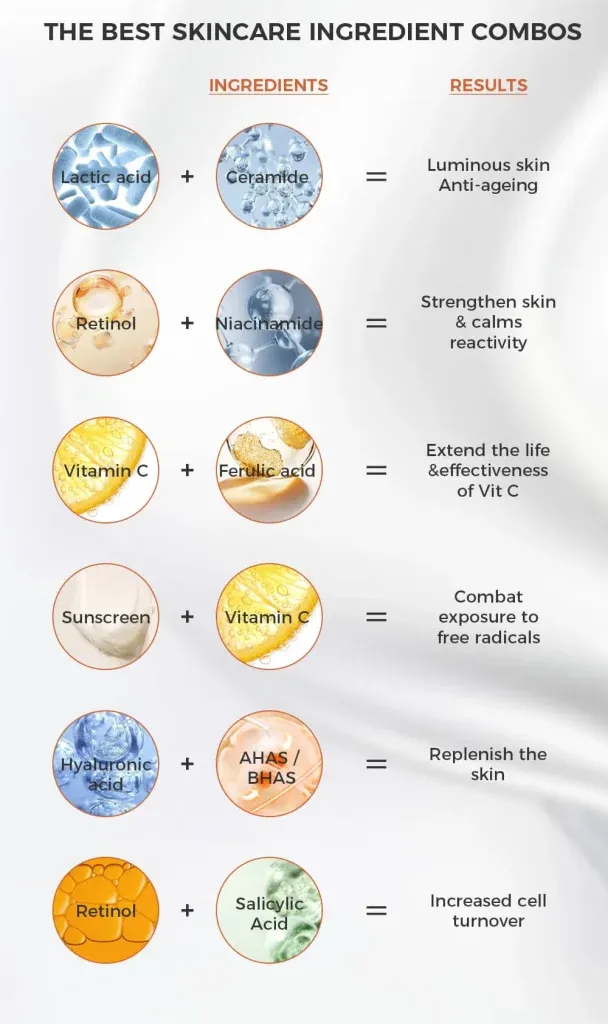
Understanding what are active ingredients in skin care products is key to achieving your desired skin health goals. These ingredients, such as salicylic acid for acne, retinol for aging, and niacinamide for hyperpigmentation, directly target specific skin concerns. However, proper usage, as recommended by a skincare professional, is crucial for optimal results and to minimize the risk of irritation. This guide will explore these powerful ingredients and their effective application.
You may also refer to 選擇適合自己膚質的保濕精華:保濕精華成分功效大解析
- Understanding Active Ingredients
- Active Ingredients: Unveiling the Truth
- Active Ingredients: Demystified
- Active Ingredients: Skin Care Explained
- What are active ingredients in skin care products? Conclusion
- What are active ingredients in skin care products? Quick FAQ
Understanding Active Ingredients
Understanding the power of active ingredients is key to achieving your skincare goals. Many products boast impressive claims, but without understanding the active ingredients at play, you’re essentially gambling with your skin’s health. Think of active ingredients as the targeted treatments within your skincare routine; they’re the components that directly address specific skin concerns. For instance, salicylic acid, a beta-hydroxy acid (BHA), works wonders in unclogging pores and combating acne. Meanwhile, retinol, a derivative of vitamin A, stimulates collagen production, reducing the appearance of wrinkles and fine lines associated with aging. Niacinamide, a form of vitamin B3, excels at reducing hyperpigmentation and improving overall skin texture.
To truly understand how these work, consider the following:
- Targeted Action: Each active ingredient has a specific mechanism of action, directly addressing a particular skin issue. This targeted approach is far more effective than relying on general moisturizers alone.
- Concentration Matters: The concentration of the active ingredient significantly impacts its efficacy. Higher concentrations aren’t always better; they can lead to irritation if not used correctly. Always follow the product instructions, or consult a dermatologist for personalized advice.
- Proper Usage: Applying active ingredients improperly can negate their benefits and even cause harm. For example, applying retinol during the day without sunscreen can lead to sun sensitivity and damage. A dermatologist can provide guidance on proper application and integration into your daily routine.
- Potential for Irritation: While powerful, active ingredients can sometimes cause irritation, especially when initially introduced. Start with a low concentration and gradually increase it as your skin tolerates it. If irritation persists, discontinue use and consult a dermatologist.
By understanding these factors, you can make informed choices about the products you use, maximizing their effectiveness and minimizing the risk of irritation. Remember, a well-informed approach to skincare, guided by the knowledge of active ingredients, is crucial for achieving radiant, healthy skin.
Active Ingredients: Unveiling the Truth
Many skincare products boast a long list of ingredients, but understanding which ones truly work wonders for your skin is key. This is where focusing on active ingredients becomes crucial. These aren’t just fillers; they’re the powerhouses that deliver specific results, targeting particular skin concerns. To achieve optimal results and avoid potential irritation, proper usage as advised by a dermatologist is essential.
Let’s unravel some common active ingredients and their benefits:
- Retinol: A derivative of Vitamin A, retinol is a star ingredient in anti-aging skincare. It boosts collagen production, reducing the appearance of wrinkles and fine lines. However, retinol can cause initial irritation, so starting with a low concentration and gradually increasing usage is recommended. Always follow a dermatologist’s advice on appropriate usage for your skin type to minimize any adverse effects.
- Salicylic Acid: This beta-hydroxy acid (BHA) is a powerful weapon against acne. It effectively unclogs pores, reduces inflammation, and prevents future breakouts. Because of its exfoliating properties, it can be drying for some; therefore, moisturizing is vital, especially when using salicylic acid as part of a comprehensive skin health regimen.
- Niacinamide: This form of Vitamin B3 is a versatile ingredient addressing various concerns. It helps to minimize the appearance of hyperpigmentation (dark spots), improves skin texture, and strengthens the skin barrier. Unlike some active ingredients, niacinamide is generally well-tolerated, making it suitable for many skin types. A dermatologist can guide you on the best concentration and application method for your specific needs.
Remember, while these active ingredients offer significant benefits, they are most effective when used correctly. A consultation with a dermatologist can personalize a skincare routine tailored to your skin type and concerns, maximizing the benefits and minimizing potential risks.
Active Ingredients: Demystified
Let’s delve deeper into how these active ingredients work their magic on your skin. Understanding their mechanisms is key to choosing the right products for your specific needs and maximizing their effectiveness. For instance, salicylic acid, a beta-hydroxy acid (BHA), doesn’t just sit on the surface. It penetrates pores, dissolving the glue that binds dead skin cells together. This helps unclog pores, preventing breakouts and improving the overall texture of acne-prone skin. This action is crucial for anyone concerned with acne, improving their skin health significantly with proper usage.
Meanwhile, retinol, a derivative of vitamin A, is a powerhouse for anti-aging. It stimulates collagen production, reducing the appearance of fine lines and wrinkles. It also encourages cell turnover, leading to a brighter, more even skin tone. However, retinol can be irritating for some, highlighting the importance of starting with a low concentration and gradually increasing it, as advised by a dermatologist. This careful approach ensures optimal results and minimizes the risk of adverse effects, a key aspect of safe and effective skincare.
Finally, niacinamide, a form of vitamin B3, is a multi-tasker. It tackles hyperpigmentation by reducing melanin production, improving the appearance of dark spots and uneven skin tone. It also strengthens the skin barrier, improving hydration and reducing redness. The effectiveness of niacinamide, like other active ingredients, is greatly enhanced by consistent use and adherence to a dermatologist’s recommendations, contributing to the overall improvement of skin health for anyone utilizing this ingredient.
| Active Ingredient | Mechanism of Action | Benefits | Important Considerations |
|---|---|---|---|
| Salicylic Acid (BHA) | Penetrates pores, dissolves bonds between dead skin cells, unclogs pores. | Prevents breakouts, improves acne-prone skin texture. | Crucial for acne treatment; proper usage is key. |
| Retinol (Vitamin A derivative) | Stimulates collagen production, encourages cell turnover. | Reduces fine lines and wrinkles, brightens skin tone. | Can be irritating; start with low concentration, gradually increase as advised by a dermatologist. |
| Niacinamide (Vitamin B3) | Reduces melanin production, strengthens skin barrier. | Improves hyperpigmentation, reduces dark spots, improves hydration, reduces redness. | Consistent use and adherence to dermatologist’s recommendations are crucial. |
Active Ingredients: Skin Care Explained
Understanding how active ingredients work is key to achieving your desired skin health goals. This section will break down some common active ingredients and their effects, emphasizing the importance of proper usage. Remember, while these ingredients can be incredibly effective, consulting a dermatologist is always recommended to ensure you’re using them safely and effectively for your specific skin type and concerns.
Let’s explore a few examples:
- Retinol: A derivative of Vitamin A, retinol is a powerhouse ingredient effective in combating signs of aging. It increases cell turnover, reducing the appearance of wrinkles and fine lines. However, it can cause irritation, so starting with a low concentration and gradually increasing is crucial. Always apply retinol at night, as it can increase sun sensitivity.
- Salicylic Acid: This beta-hydroxy acid (BHA) is a go-to ingredient for those battling acne. It works by penetrating pores to unclog them and reduce inflammation. While effective, overuse can lead to dryness and irritation. Using it as directed, perhaps 1-2 times per week depending on your skin’s tolerance, is important. It’s also crucial to remember that this is an active ingredient; it directly affects your skin and needs to be used accordingly.
- Niacinamide: A form of Vitamin B3, niacinamide is a versatile ingredient with multiple benefits. It can improve skin tone and texture, reduce the appearance of hyperpigmentation, and minimize the look of pores. Generally well-tolerated, it’s a great addition to many skincare routines. Even with its gentle nature, correct application is still crucial for optimal results and preventing any adverse effects.
These are just a few examples of the many active ingredients available. Each one targets specific skin concerns, but understanding their mechanism of action and potential side effects is paramount to achieving optimal results. Remember that personalized advice from a dermatologist is essential for building a safe and effective skincare routine tailored to your unique needs. Ignoring the proper usage of active ingredients may lead to skin irritation or even exacerbate existing skin conditions.
What are active ingredients in skin care products? Conclusion
So, what are active ingredients in skincare products? In short, they are the powerhouse components that directly target specific skin concerns, unlike inactive ingredients that primarily serve as carriers or stabilizers. We’ve explored several key players – retinol, salicylic acid, and niacinamide – each with its unique mechanism of action and potential benefits. From combating acne and aging to reducing hyperpigmentation, these ingredients offer powerful solutions for various skin challenges.
However, the journey to healthy, radiant skin isn’t solely about choosing the right active ingredients. It’s equally, if not more, important to understand how to use them effectively. Improper application can lead to irritation, reduced efficacy, or even damage. Remember these key takeaways:
- Start Low, Go Slow: Especially with potent ingredients like retinol, begin with a low concentration and gradually increase usage as your skin tolerates it. This minimizes the risk of irritation.
- Follow Instructions: Always adhere to the product instructions regarding application frequency and technique.
- Sun Protection is Crucial: Some active ingredients, like retinol, increase sun sensitivity. Consistent sunscreen use is essential to protect your skin from sun damage.
- Consult a Professional: A dermatologist can provide personalized guidance on ingredient selection, concentration, and application, ensuring a safe and effective skincare routine tailored to your unique needs.
Ultimately, understanding what are active ingredients in skincare products and how to use them correctly is the foundation of achieving your skincare goals. Armed with this knowledge, you can make informed choices and embark on a journey toward healthier, more radiant skin. Don’t hesitate to seek professional guidance to maximize the benefits and minimize any potential risks associated with using active ingredients. Your skin will thank you for it!
What are active ingredients in skin care products? Quick FAQ
What are active ingredients in skincare products, and why are they important?
Active ingredients are the components in skincare products that directly target specific skin concerns. Unlike inactive ingredients that primarily provide texture or scent, active ingredients deliver specific results, such as reducing wrinkles, clearing acne, or lightening dark spots. They are the “powerhouse” elements that drive the product’s efficacy and are crucial for achieving visible improvements in your skin’s health and appearance.
Are all active ingredients suitable for all skin types?
No, different active ingredients are suitable for different skin types and concerns. For example, retinol, while excellent for anti-aging, can be irritating for sensitive skin. Salicylic acid, effective for acne, can be drying. Niacinamide is generally well-tolerated, but even with gentle ingredients, individual reactions can vary. A dermatologist can help determine which active ingredients are appropriate for your specific skin type and condition to prevent irritation and ensure optimal results.
How can I safely incorporate active ingredients into my skincare routine?
Start with a low concentration of the active ingredient and gradually increase it as tolerated. Patch test new products on a small area of skin before applying them to your entire face. Always follow the product instructions carefully. Avoid using multiple strong active ingredients simultaneously, as this can increase the risk of irritation. Consult a dermatologist for personalized guidance on integrating active ingredients safely and effectively into your routine. They can help you create a plan to avoid adverse reactions and maximize the benefits.

.jpg)