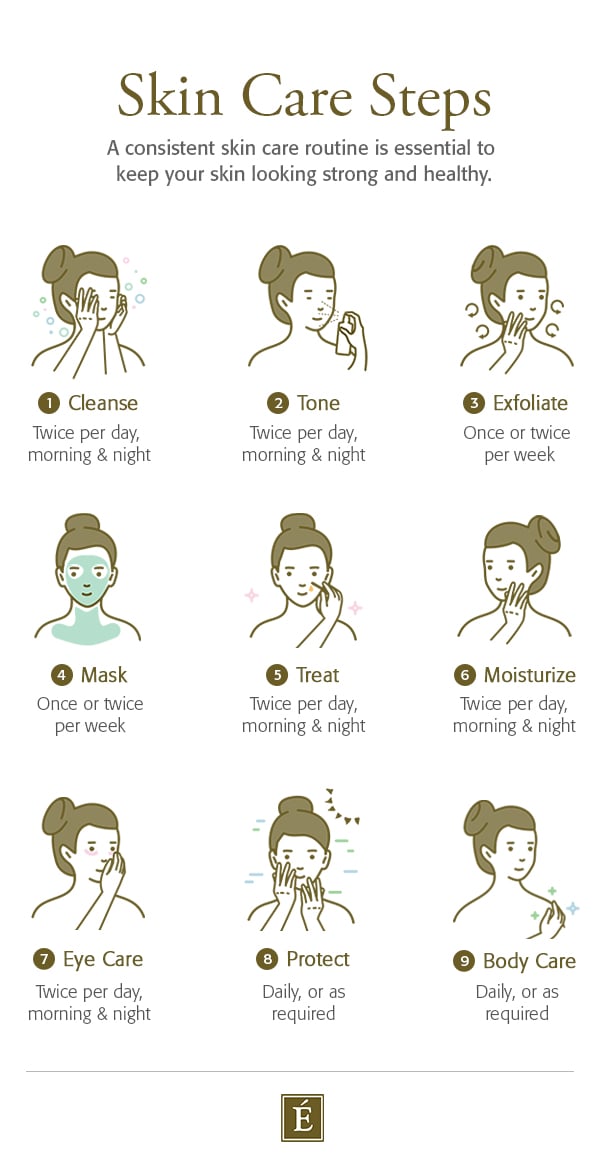
Effectively managing combination skin requires a nuanced approach. Developing the right skin care skills for managing combination skin involves balancing the needs of both oily and dry areas. This means employing lightweight moisturizers and gentle cleansers to avoid stripping or over-hydrating the skin. Targeted treatments are crucial: clay masks effectively control oil in the T-zone, while hydrating serums address dryness in other areas. This balanced strategy ensures a healthy, radiant complexion.
You may also refer to 維他命C不可與海鮮、咖啡、酒精一起吃?營養博士李薇破解迷思
- Mastering Combination Skin Care
- Refine Your Skin Care Skills
- Advanced Skills: Combination Skin
- Enhance Your Skin Care Skills
- Skin care skills for managing combination skin Conclusion
- Skin care skills for managing combination skin Quick FAQ
Mastering Combination Skin Care
Mastering combination skin care requires a nuanced approach, understanding that your face isn’t a single entity. You’re dealing with two distinct needs simultaneously: oily areas, usually the T-zone (forehead, nose, and chin), and dry patches elsewhere. This duality demands a skincare routine that addresses both concerns effectively without aggravating either. Ignoring this balance is a common mistake, leading to breakouts in oily areas and dryness/irritation elsewhere. A successful strategy hinges on careful product selection and mindful application.
To truly master combination skin care, consider these crucial steps:
- Gentle Cleansing: Opt for a lightweight, non-comedogenic cleanser that won’t strip your skin of its natural oils. Harsh cleansers can exacerbate dryness in already parched areas while potentially stimulating excess oil production in the T-zone.
- Targeted Hydration: This is where the magic happens. Avoid heavy moisturizers across your entire face. Instead, use a lightweight lotion or gel moisturizer on the oily areas, and a richer cream only on the dry patches. This prevents that shiny, oily look while adequately hydrating drier areas.
- Strategic Masking: Clay masks are your best friend for oil control. Apply them to the T-zone to absorb excess sebum and minimize pores. For dry areas, incorporate hydrating sheet masks or leave-on treatments rich in humectants to replenish moisture levels. Never use a single mask type across your whole face!
Remember, consistency is key. Mastering combination skin care isn’t a quick fix; it’s about building a sustainable routine tailored to your unique skin’s needs. Pay close attention to how your skin responds to each product and adjust your routine accordingly. Observing and adapting is a critical skill in this process.
Refine Your Skin Care Skills
To truly refine your skincare skills for combination skin, understanding your skin’s unique needs is paramount. This involves recognizing the differences between your oily T-zone (forehead, nose, and chin) and the drier areas of your cheeks and potentially other parts of your face. A successful routine balances these needs. Here’s how to adjust your approach:
- Targeted Cleansing: Opt for a gentle, lightweight cleanser that won’t strip your skin of its natural oils. Avoid harsh soaps or foaming cleansers that can exacerbate dryness. This is crucial for maintaining the skin’s barrier function, vital for both oily and dry areas.
- Strategic Moisturizing: Lightweight moisturizers are your best friend. They hydrate without feeling heavy or greasy, especially on the oily T-zone. However, you may need a richer moisturizer for drier areas. Consider using a lighter formula overall and applying a richer cream only to the dry patches.
- Mask Magic: Clay masks are excellent for oil control in the T-zone, absorbing excess sebum and preventing breakouts. Use these 1-2 times a week, focusing solely on the oily areas. Simultaneously, incorporate hydrating masks or serums on drier patches to replenish moisture and balance your complexion. This targeted approach ensures both areas receive the care they need.
- Serum Selection: Hydrating serums are vital for delivering concentrated hydration to dry areas without clogging pores. Look for serums containing hyaluronic acid or other humectants to draw moisture into the skin. Applying these before your moisturizer enhances their effectiveness.
Remember, consistency is key. By consistently following a tailored skincare routine, you’ll witness improvements in your skin’s texture, balance, and overall appearance. Don’t be afraid to experiment to find the perfect combination of products that work best for your unique skin.
Advanced Skills: Combination Skin
Once you’ve mastered the basics of cleansing and moisturizing for combination skin, it’s time to delve into more advanced techniques for truly radiant skin. This involves understanding your skin’s specific needs beyond the general categories of oily and dry. Targeted treatments become even more crucial at this stage.
Consider incorporating these advanced strategies into your routine:
- Introduce exfoliation strategically: Don’t over-exfoliate, as this can irritate dry patches. Focus on gentle chemical exfoliants like AHAs (alpha-hydroxy acids) or BHAs (beta-hydroxy acids) 1-2 times a week, concentrating on the oilier T-zone. For dry areas, consider a gentler, less frequent approach, or opt for a hydrating enzyme exfoliant. Always follow with a hydrating serum and moisturizer.
- Layer your serums effectively: Apply thinner serums before thicker ones. For instance, start with a lightweight hydrating serum containing hyaluronic acid, followed by a serum addressing specific concerns like acne or hyperpigmentation, and finish with a richer, oil-based serum for dry patches if needed. This layering maximizes the benefits of each product and ensures proper absorption.
- Embrace customized masks: Instead of relying on one type of mask, experiment with different masks for different areas of your face. Apply a clay mask to the T-zone to control oil, and a hydrating sheet mask or a creamy moisturizing mask to dry areas simultaneously. This allows you to address the unique needs of each zone effectively. Remember to always patch test new products before applying them to your entire face.
- Utilize specialized skincare tools: Tools like facial rollers can improve product absorption and lymphatic drainage, helping to reduce puffiness and improve circulation. Always use these tools with a hydrating serum or moisturizer to maximize their benefits and minimize irritation. Proper hygiene is critical when using skincare tools.
By implementing these advanced techniques and consistently observing your skin’s response, you’ll be well on your way to achieving a balanced and healthy complexion. Remember, patience and consistency are key to successful skincare.
“`html
| Technique | Description | Important Considerations |
|---|---|---|
| Strategic Exfoliation | Use gentle chemical exfoliants (AHAs/BHAs) 1-2 times a week, focusing on the oilier T-zone. Use gentler methods on dry areas. | Always follow with a hydrating serum and moisturizer. Avoid over-exfoliation. |
| Effective Serum Layering | Apply thinner serums before thicker ones. Start with hydrating serum (e.g., hyaluronic acid), followed by targeted serums (acne, hyperpigmentation), and finish with a richer oil-based serum if needed. | Maximizes product benefits and absorption. |
| Customized Masking | Use different masks for different areas: clay mask for the oily T-zone, hydrating sheet mask or creamy mask for dry areas. | Always patch test new products. |
| Specialized Skincare Tools (e.g., Facial Rollers) | Improve product absorption and lymphatic drainage, reducing puffiness and improving circulation. | Use with a hydrating serum or moisturizer. Proper hygiene is critical. |
“`
Enhance Your Skin Care Skills
Understanding your skin’s unique needs is paramount to achieving a healthy, radiant complexion. For those with combination skin, this means acknowledging the duality: the oily T-zone (forehead, nose, and chin) and the often dry cheeks and other areas. This requires a tailored approach that balances these contrasting concerns. To enhance your skincare skills, consider incorporating these key strategies:
- Strategic Product Selection: Opt for lightweight, oil-free moisturizers for your T-zone to avoid clogging pores and exacerbating oil production. Simultaneously, use richer, hydrating creams or serums on drier areas to replenish moisture and prevent dryness and flakiness. Pay close attention to product labels; look for keywords like “non-comedogenic” (won’t clog pores) and “hydrating” to guide your choices.
- Targeted Treatments: Don’t underestimate the power of targeted treatments. Clay masks, once or twice a week, are excellent for absorbing excess oil from the T-zone, while hydrating serums, applied to dry patches, provide intense moisture where it’s needed most. This allows you to address specific concerns without overwhelming your skin with unnecessary products.
- Gentle Cleansing: Using harsh cleansers can strip your skin of its natural oils, leading to increased oil production and dryness in other areas. Choose gentle, low-pH cleansers that effectively remove dirt and makeup without disrupting your skin’s delicate balance. Consider a creamy cleanser for dry areas and a gel cleanser for the oily T-zone, if needed.
- Listen to Your Skin: Your skin’s needs can change with the seasons and even throughout the day. Pay attention to how your skin feels and adjusts your routine accordingly. If your skin feels particularly dry, increase the frequency of your hydrating serums. If oiliness is a major concern, add another clay mask application.
By implementing these strategies, you can significantly enhance your skincare skills and effectively manage the complexities of combination skin, ultimately achieving a clearer, healthier, and more balanced complexion.
Skin care skills for managing combination skin Conclusion
Effectively managing combination skin requires dedication and a nuanced understanding of your skin’s unique needs. Throughout this guide, we’ve explored the essential skin care skills for managing combination skin, emphasizing the importance of balancing oily and dry areas. From selecting the right cleansers and moisturizers to mastering targeted treatments like clay and hydrating masks, we’ve covered a comprehensive approach to achieving a healthy, radiant complexion.
Remember, consistency is paramount. A successful skincare routine isn’t a one-size-fits-all solution; it’s a journey of self-discovery and adaptation. Regularly assess your skin’s response to different products and adjust your routine accordingly. Don’t be discouraged by initial setbacks; the rewards of clear, balanced skin are well worth the effort. By honing your skin care skills for managing combination skin, you’ll not only improve your skin’s appearance but also cultivate a deeper understanding of your skin’s health and well-being.
Ultimately, mastering combination skin care is about achieving a harmonious balance. By implementing the strategies outlined above – strategic cleansing, targeted hydration, and the skillful use of masks and serums – you can create a skincare routine that caters to the unique needs of both your oily and dry areas. Embrace this journey of self-care, and enjoy the benefits of a balanced, radiant complexion.
Skin care skills for managing combination skin Quick FAQ
What’s the best way to cleanse combination skin?
Avoid harsh cleansers that strip your skin’s natural oils. Opt for a gentle, lightweight, non-comedogenic cleanser. You might even consider using a creamy cleanser on drier areas and a gel cleanser on the oilier T-zone for a truly customized approach.
How can I moisturize combination skin without making it oilier?
The key is targeted hydration. Use a lightweight lotion or gel moisturizer on the oily T-zone (forehead, nose, and chin), and a richer cream only on the dry patches. This prevents that shiny, oily look while adequately hydrating drier areas.
What type of masks are best for combination skin?
Clay masks are excellent for oil control in the T-zone, absorbing excess sebum. For dry areas, use hydrating sheet masks or leave-on treatments rich in humectants. Never use a single mask type across your whole face; tailor your mask application to the specific needs of each area.